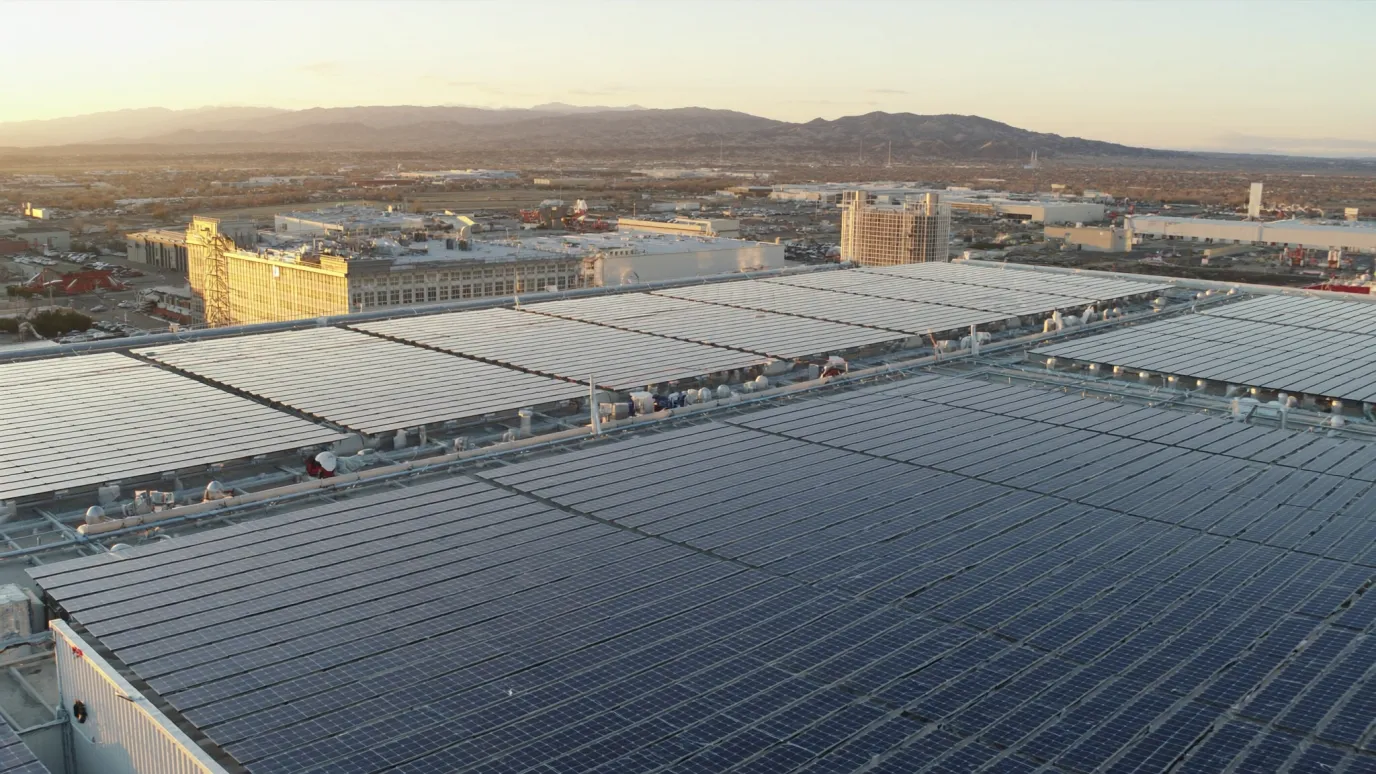
Incentives & Safe Harbor
Illinois commercial solar incentives, in real numbers.
The federal ITC, the ComEd cash rebate, Illinois Shines SRECs, and depreciation combine to materially reduce project cost, depending on the project and the owner's tax position. Here is exactly what each one pays, who qualifies, and how the federal credit's timeline works now that the July 4, 2026 begin-construction deadline has passed.
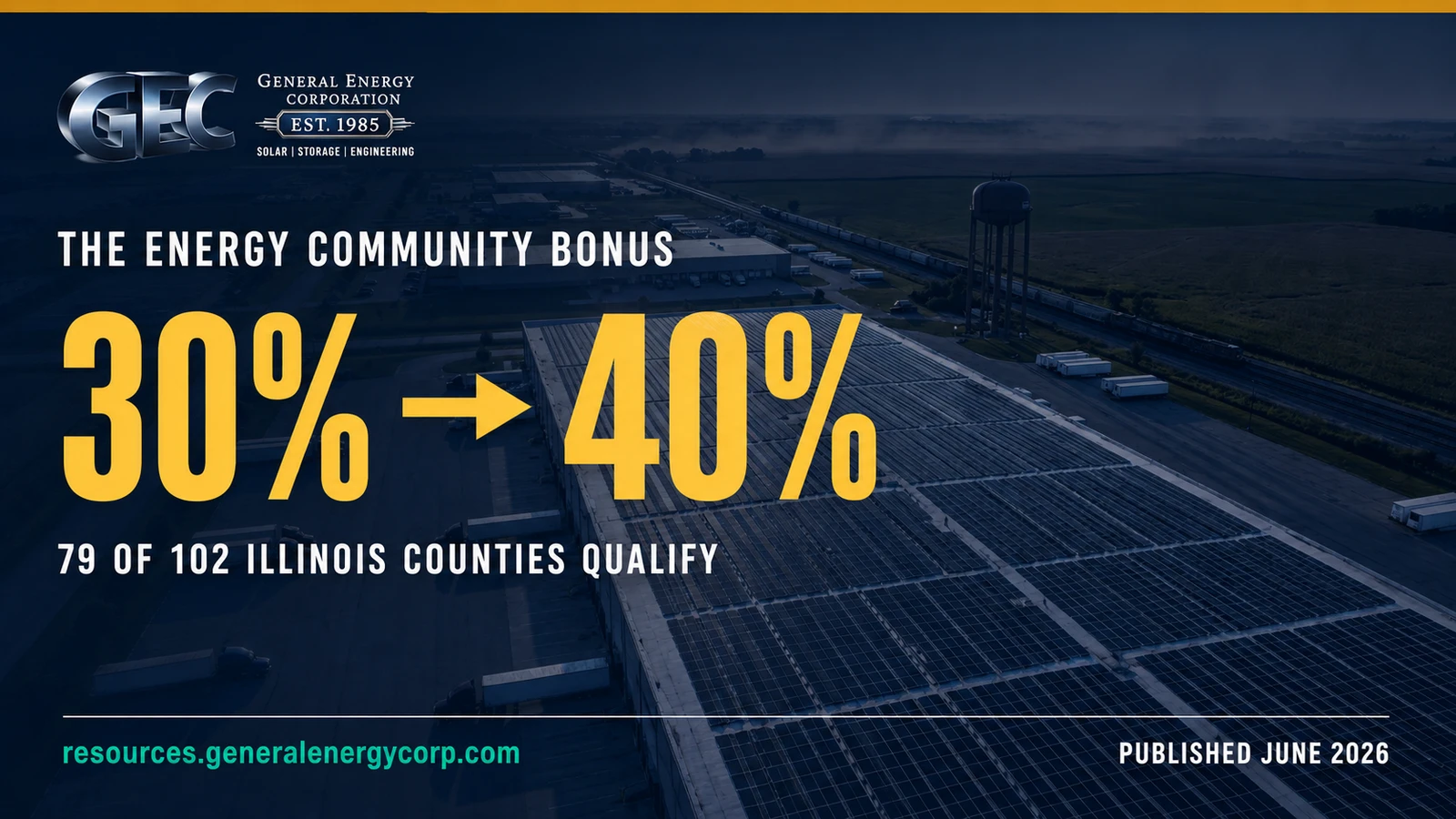
Up to 40%
Federal ITC: 30% base plus the 10% Energy Community bonus where the address qualifies
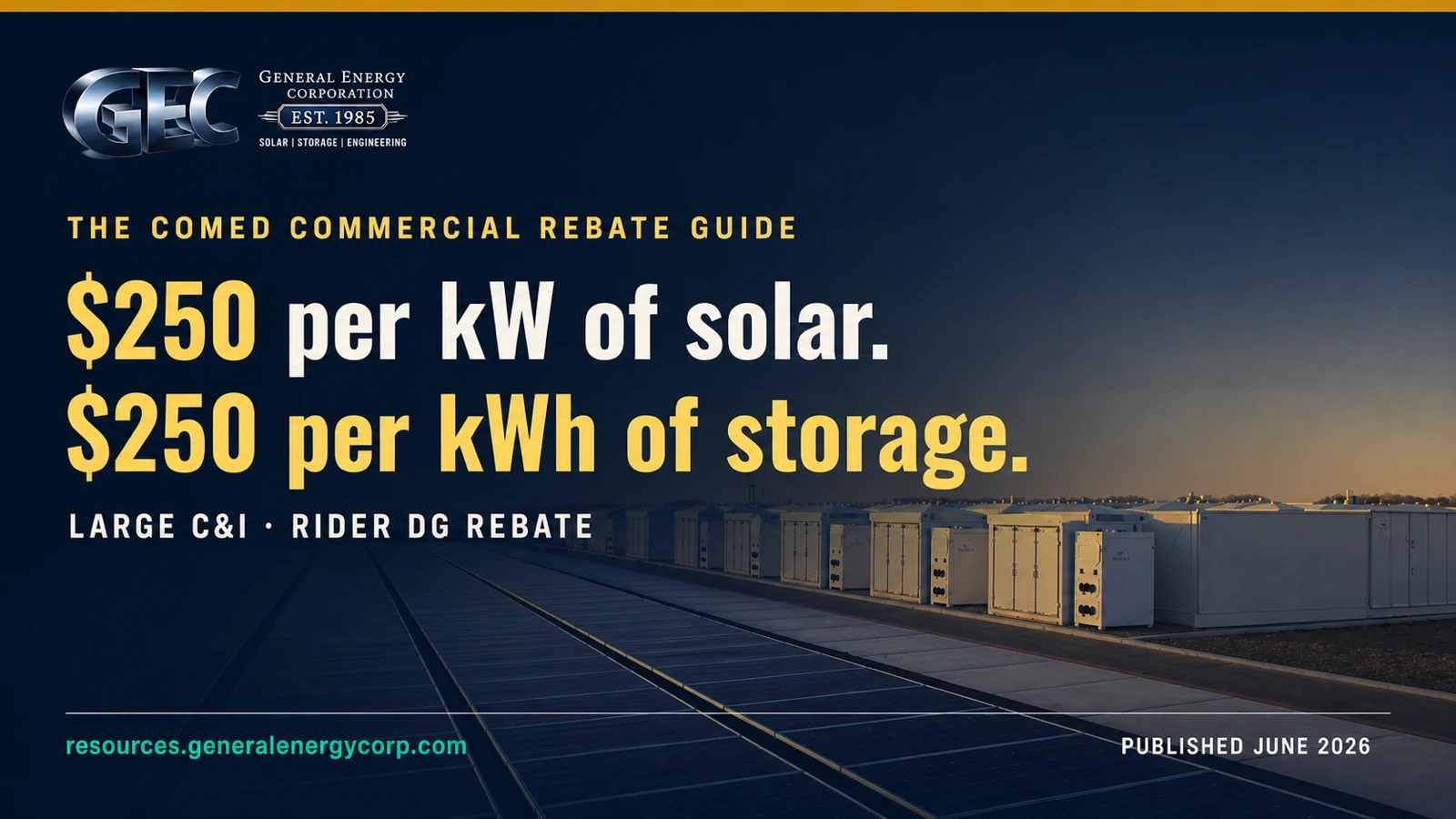
$250 / kW
ComEd Distributed Generation rebate, paid as a direct cash check
Materially lower
Net project cost offset by combined incentives, depending on the project and the owner's tax position
Dec 31, 2027
Placed-in-service deadline for a project starting now, now that the July 4, 2026 begin-construction deadline has passed
The Illinois incentive programs
Four programs that combine to materially reduce project cost.
Each program is real, current, and verified per project. Here is what each one actually pays an Illinois commercial or industrial facility.
01
Federal Investment Tax Credit (Section 48E)
30% direct credit on total system cost, plus a 10% Energy Community bonus where the facility qualifies, for up to 40% federal.
The credit is transferable to third-party tax buyers under Section 6418 if your business lacks the tax appetite to absorb it directly. The Energy Community bonus requires prevailing-wage and apprenticeship compliance during construction, which GEC handles end to end so the bonus is captured cleanly.
02
ComEd Distributed Generation Rebate
$250 per kW of nameplate generating capacity, paid as a direct cash check after commissioning. A 1 MW system earns a $250,000 check.
Also called the Smart Inverter Rebate. It is a cash payment, not a tax credit, and it is fully combinable with the federal ITC and Illinois Shines. It is first-come, first-served from a limited annual pool, so timing matters. Ameren operates its own distributed-generation programs in central and southern Illinois.
03
Illinois Shines SRECs
15-year revenue from Solar Renewable Energy Credits. The 2026 vintage is paying 34–43% more per SREC than 2024 levels.
The Adjustable Block Program issues one SREC for every megawatt-hour generated and fills in blocks rather than on a fixed calendar, so the available payment rate shifts each cycle. Registering while a high-payment block is open materially changes the 15-year revenue stream.
04
MACRS + 100% Bonus Depreciation
5-year accelerated depreciation on the full system basis, with 100% bonus depreciation restored in year one under OBBB.
For taxable C&I businesses, depreciation recovers an additional 20–26% of project cost, layered on top of the ITC, the ComEd rebate, and the SREC revenue. It applies only to businesses with the tax position to use it.
The federal clock
The July 4 deadline passed. Here is the rule that governs now.
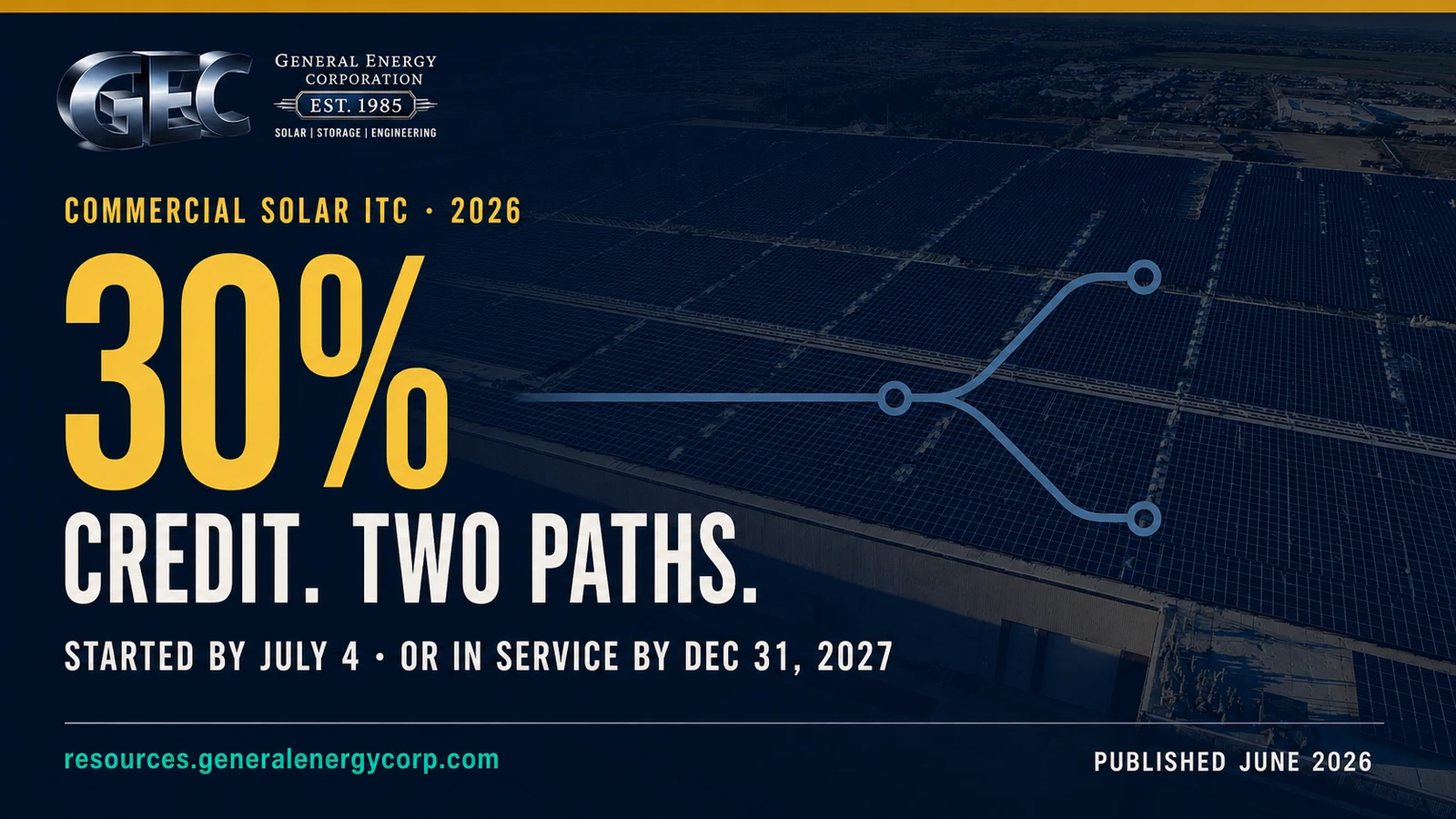
The July 4, 2026 begin-construction deadline decided which placed-in-service runway a project gets, not whether the credit exists. A project that established its begin-construction date by then has until the end of 2030 to build. A project starting now must be placed in service by December 31, 2027, roughly eighteen months, by committing about 5 percent of total project cost. It does not commit you to building. It buys time at today's incentive rates.
| System Size | Typical Project Cost | 5% Safe Harbor | Federal ITC at 30% |
|---|---|---|---|
| 200 kW rooftop | ~$400,000 | ~$20,000 | ~$120,000 |
| 500 kW rooftop | ~$1,000,000 | ~$50,000 | ~$300,000 |
| 1 MW rooftop or ground | ~$2,000,000 | ~$100,000 | ~$600,000 |
| 1.5 MW rooftop or ground | ~$3,000,000 | ~$150,000 | ~$900,000 |
Representative figures only. Actual project cost depends on roof type, electrical infrastructure, and whether storage is integrated. The credit percentage is the same whether a project's begin-construction date falls before or after July 4, 2026. The difference is the placed-in-service deadline: the end of 2030 for projects that started by July 4, or December 31, 2027 for projects starting now.
By industry
The same programs pay differently by facility type.
Which incentive does the heavy lifting depends on your load shape, roof, and tax position. Find your operation, then go deeper in the Industries guides.
Manufacturing
High daytime process loads, large roof and yard assets, and demand charges that reward peak shaving. The ITC, the ComEd rebate, and MACRS recover most of the capital. Storage attacks the demand-charge line.
Cold Storage & Distribution
Refrigeration and dock equipment drive sharp, expensive peaks. Solar offsets the baseload, storage flattens the peaks, and the depreciation profile is strong for asset-heavy operators.
Food & Beverage
Around-the-clock thermal and process loads make on-site generation pencil hard. GEC has delivered $316,823 in annual savings for a Fortune 500 food and beverage operation.
Hospitals & Healthcare
Critical-load resilience plus operating-cost stability across campuses. Tax-exempt institutions can monetize the federal credit through transfer or direct-pay structures.
Universities & Education
Campus energy budgets, carport structures, and visible sustainability wins, with public-sector incentive pathways layered onto the federal programs.
Warehousing & Logistics
Large, simple roofs and rising ComEd demand charges make warehouse solar-plus-storage one of the cleaner paybacks in the 2026 rate environment.
Real Illinois results
Specific, verifiable, and not theoretical.
Before committing, the CEO of Core Pipe Products had his CPA independently verify every number GEC presented. The numbers held. Project economics vary site to site, but they are real.
802 kW
Core Pipe Products, Carol Stream: ~90% of usage offset, $76,000+ annual savings, Energy Community bonus captured
$434,406
Annual savings, specialty textiles manufacturer
$316,823
Annual savings, Fortune 500 food & beverage operation
$231,725
Annual savings, auto parts powertrain plant
Common questions
Illinois commercial solar incentives, answered.
What solar incentives are available for Illinois commercial and industrial projects in 2026? +
Four programs that combine: the 30% federal ITC (plus a 10% Energy Community bonus where the address qualifies), the ComEd Distributed Generation rebate at $250 per kW of nameplate generating capacity, Illinois Shines SREC revenue over 15 years, and MACRS depreciation with 100% bonus depreciation in year one. For most C&I facilities the combined offset can materially reduce net project cost, depending on the project and the owner's tax position. None apply automatically. Each is verified at the project and address level.
How much is the ComEd solar rebate? +
ComEd's Distributed Generation Rebate (the Smart Inverter Rebate) pays $250 per kW of nameplate generating capacity to commercial and industrial customers in its territory. It is a direct cash payment, not a tax credit, issued after the system is commissioned, and it combines with the federal ITC and Illinois Shines. A 500 kW system earns a $125,000 check. A 1 MW system earns $250,000. It is first-come, first-served from a limited annual pool.
Is my Illinois facility in an Energy Community for the 40% ITC? +
Possibly. The Energy Community bonus adds 10% to the 30% federal ITC for projects sited in IRS and DOE-designated census tracts, based on brownfield status or fossil-fuel employment history. Many Illinois locations qualify, particularly downstate, legacy coal regions, and select industrial tracts in northern Illinois. Carol Stream, where GEC built the Core Pipe Products system, is a confirmed Energy Community. Qualification is verified at the address using the DOE designated-area tool.
The July 4, 2026 safe-harbor deadline passed. What governs the credit now? +
July 4, 2026 was the federal begin-construction deadline that decided which placed-in-service runway a project gets under Section 48E, not whether the 30% credit exists. A project that established its begin-construction date by then, via the 5% Safe Harbor or the Physical Work Test, preserves the 30% credit vintage and has until the end of 2030 to be placed in service. A project establishing that date after July 4, 2026 gets the same 30% credit. It must be placed in service by December 31, 2027 instead.
How much does it cost to establish a begin-construction date, and does it commit me to building? +
The 5% Safe Harbor requires paying or incurring at least 5% of total project cost under a binding contract: roughly $50,000 on a 500 kW system, roughly $150,000 on a 1.5 MW system. It does not commit you to building. It secures the federal credit vintage and, for a project starting now, opens the window to decide on financing, leased-facility consent, and construction timeline that has to reach energization by December 31, 2027.
Can all of these incentives be combined on one project? +
Yes. The federal ITC, the Energy Community bonus, the ComEd rebate, Illinois Shines SRECs, and MACRS depreciation are designed to work together and can materially reduce net project cost, depending on the project and the owner's tax position. They do not apply automatically: each one is verified at the project and address level, and the real economics depend on the verified package, not the theoretical maximum.
Go deeper
The detailed guides behind the numbers.
Illinois Incentives
The ComEd Battery Storage and Smart Inverter Rebate: The Commercial and Industrial Guide (Northern Illinois, 2026)
Federal Incentives
The Energy Community Bonus in 2026: How Commercial Solar Reaches a 40 Percent Tax Credit in Most of Illinois
Federal Incentives
Commercial Solar Tax Credit After July 4, 2026: The Two-Path Rule for the 30 Percent Credit
Incentives FAQ
Commercial Solar ITC and Illinois Incentives FAQ: 2026 Answers for C&I Buyers
Federal Incentives
The Solar ITC After July 4, 2026: A Decision Guide for Illinois Manufacturers
Get your facility's real number
Theoretical maximums don't build anything. Yours does.
Send one recent utility bill per meter and your facility address. The engineering team verifies Energy Community status, identifies the programs you qualify for, and returns an indicative system design with a per-incentive projection, usually within a week.